Glaucoma Follow-Ups: Why Stable Vision Still Needs Monitoring
October 30, 2026
If you have glaucoma and your vision seems unchanged, it may be tempting to assume everything is stable. However, glaucoma can progress gradually without causing obvious symptoms, particularly during its earlier stages. Clear central vision does not always tell us what is happening to the optic nerve or peripheral vision.
At Vision Source Magnolia, we provide glaucoma management and ongoing eye health monitoring for patients in Magnolia, TX. Regular follow-up exams help us compare findings over time and determine whether your current treatment plan continues to protect your vision.
Why Can Glaucoma Change Without You Noticing?
Glaucoma is a group of conditions that damage the optic nerve, which carries visual information from the eye to the brain. The most common form often develops slowly and without pain.
Peripheral, or side, vision may begin changing before central vision is noticeably affected. Because the progression can be gradual, your brain may compensate for small areas of visual loss.
That is why waiting until your eyesight feels different is not a reliable way to monitor glaucoma.
What Happens During a Glaucoma Follow-Up?
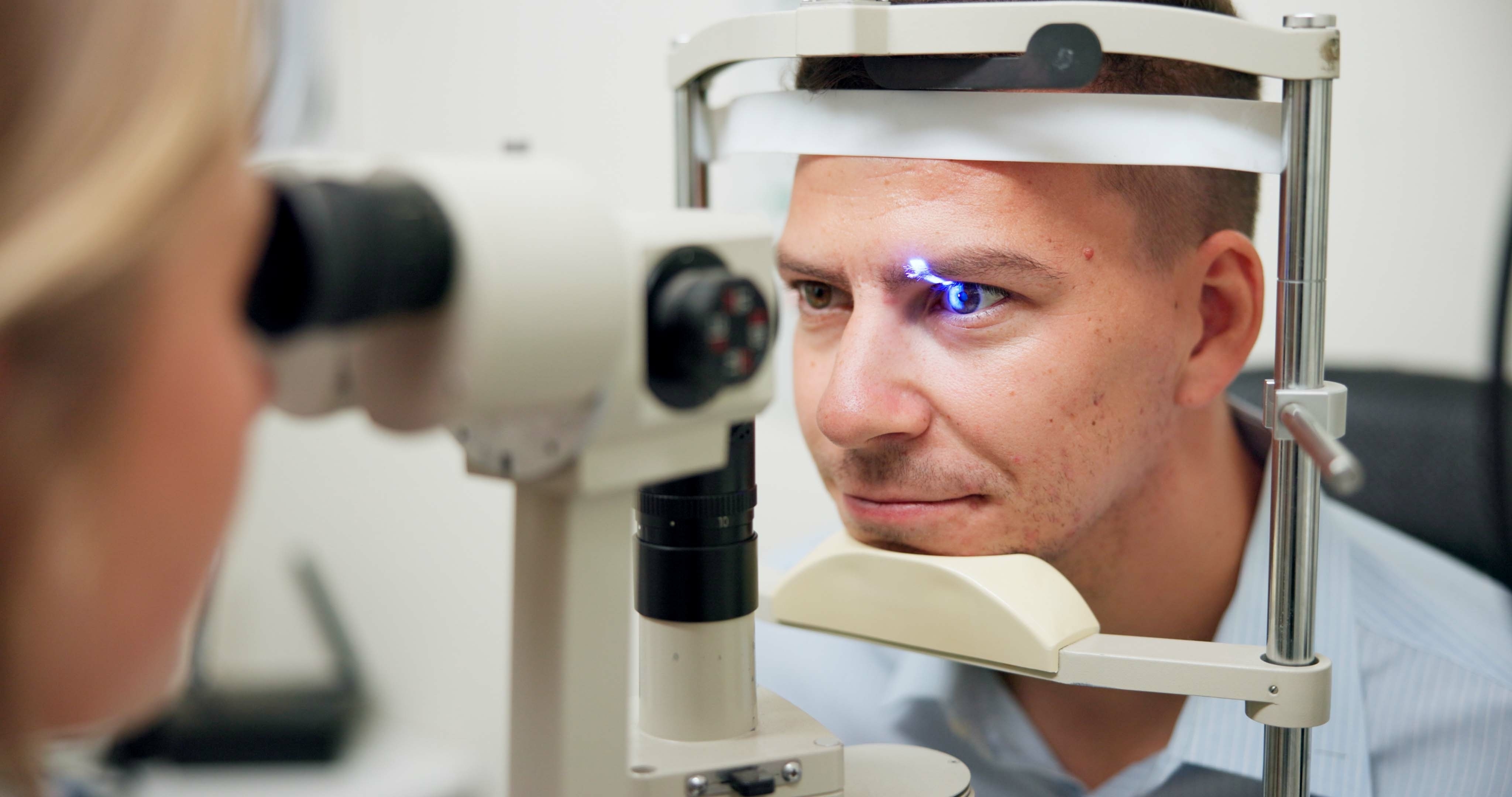
A glaucoma follow-up looks at several measurements together rather than relying on one test. Depending on your history and previous findings, your Magnolia eye exam may include:
Measuring pressure inside your eyes
Examining the appearance of the optic nerves
Checking peripheral vision with visual field testing
Using OCT to document optic nerve and retinal nerve fiber structure
Comparing current results with earlier exams and images
Your eye doctor may also recommend dilation or retinal imaging when additional information is needed.
Why Is Eye Pressure Not the Whole Story?
Elevated eye pressure is an important glaucoma risk factor, but pressure readings alone cannot tell us whether the disease is stable.
Some patients develop glaucoma despite having eye pressure within a statistically normal range. Others may have elevated pressure without showing optic nerve damage.
For that reason, we consider eye pressure alongside optic nerve appearance, visual field results, imaging, family history, corneal characteristics, and changes documented over time.
A single reassuring pressure measurement does not replace regular monitoring.
How Do OCT and Visual Field Tests Help?
OCT provides detailed images of the optic nerve and surrounding retinal layers. Repeating OCT scans can help identify whether structural changes are occurring over time.
Visual field testing evaluates how well you see in different areas while looking straight ahead. This is particularly important because glaucoma often affects peripheral vision first.
Together, structural imaging and functional vision testing can provide information that a standard eye chart cannot.
For Magnolia patients with glaucoma, comparisons between visits are often more meaningful than any single result.
Why Keep Follow-Ups When Treatment Seems to Be Working?
Glaucoma treatment is intended to preserve the vision you still have. Eye drops or other treatments may be working successfully even though you do not notice a day-to-day difference.
Continue prescribed medications exactly as directed unless your healthcare provider changes your plan. Do not stop glaucoma drops simply because your eyes feel comfortable or your vision remains clear.
Your recommended follow-up schedule depends on the type and severity of glaucoma, eye pressure, previous testing, risk factors, and how stable your findings have been.
Know When Not to Wait for Your Next Appointment
Most open-angle glaucoma progresses gradually, but certain symptoms need prompt evaluation. Sudden severe eye pain, significant redness, halos around lights, headache, nausea, or an abrupt decline in vision may indicate an urgent eye problem.
New flashes, a sudden increase in floaters, or a curtain-like shadow across your vision also requires prompt attention rather than waiting for a routine glaucoma visit.
If you have glaucoma or are being monitored for elevated eye pressure, contact Vision Source Magnolia at 18000 FM 1488, Suite 100, Magnolia, TX 77354 by calling (346) 586-2020 to schedule your glaucoma follow-up and keep your eye health carefully monitored.



Contact Info
Hours of Operation
- Monday 9:00am - 5:00pm
- Tuesday 8:00am - 5:00pm
- Wednesday 9:00am - 6:00pm
- Thursday 9:00am - 6:00pm
- Friday 9:00am - 2:00pm
- Saturday Closed
- Sunday Closed
© 2026 Vision Source Magnolia. All rights Reserved. Accessibility Statement - Privacy Policy - Sitemap
Powered by: