How Early Detection Through Diabetic Eye Exams Can Save Your Sight
December 23, 2025
Living with diabetes requires ongoing attention to your overall health - but one area that’s often overlooked is eye health. Diabetes can quietly damage the eyes long before noticeable vision changes occur. At Vision Source Magnolia, diabetic eye exams play a critical role in helping patients preserve clear, healthy vision for years to come.
Why Diabetes Puts Your Vision at Risk
Diabetes affects how the body processes sugar, and consistently high blood sugar levels can damage small blood vessels throughout the body - including those in the eyes. Over time, this damage can lead to serious eye conditions such as:
Diabetic retinopathy, where blood vessels in the retina leak or swell
Diabetic macular edema, which causes fluid buildup in the central vision area
Increased risk of glaucoma and cataracts
Many of these conditions develop silently, without pain or early symptoms. By the time vision changes are noticeable, damage may already be advanced.
The Power of Early Detection
The greatest benefit of diabetic eye exams is early detection. When eye changes are caught early, treatment is often more effective and vision loss can frequently be slowed.
Early detection allows your eye doctor to:
Identify subtle retinal changes before symptoms appear
Monitor progression year over year
Recommend timely treatments or referrals if needed
Coordinate care with your primary physician or endocrinologist
In many cases, patients with early-stage diabetic eye disease maintain good vision for life simply because problems were identified and managed early.
What Happens During a Diabetic Eye Exam
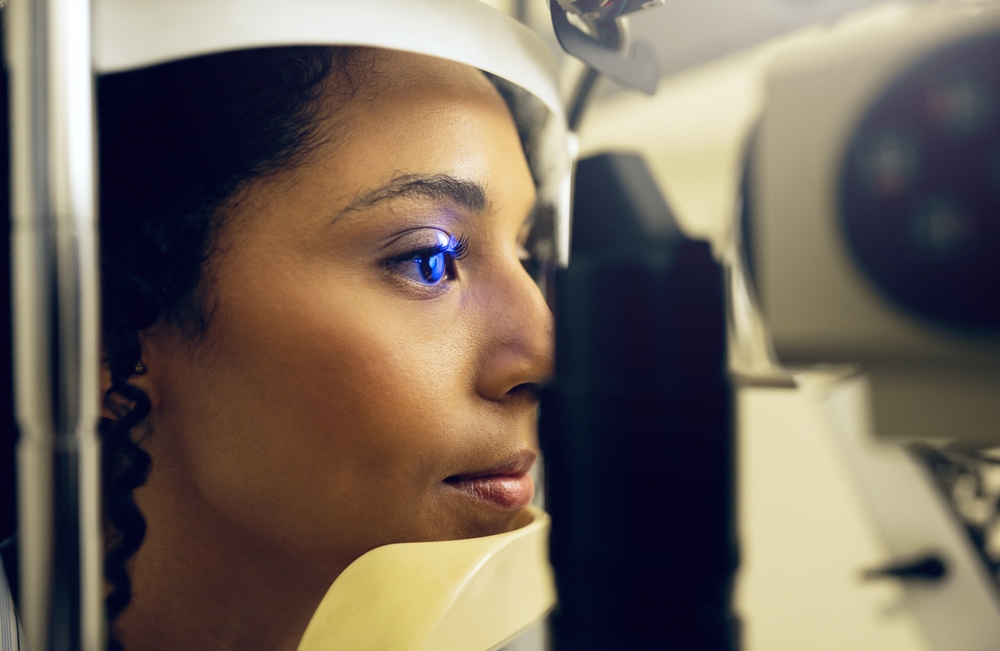
A diabetic eye exam is more comprehensive than a standard vision exam. In addition to checking your prescription, your optometrist carefully evaluates the health of your eyes, with special attention to the retina.
Your exam may include:
Dilated retinal examination to view blood vessels and optic nerve health
Advanced imaging to detect microscopic changes in the retina
Eye pressure testing to screen for glaucoma
Visual acuity and functional vision assessments
These tools allow your eye doctor to see what the naked eye cannot - often detecting problems years before vision loss occurs.
How Often Should Diabetic Eye Exams Be Scheduled?
Most patients with diabetes should have a comprehensive diabetic eye exam at least once per year. Depending on your eye health, blood sugar control, or existing findings, your doctor may recommend more frequent visits. Even if your vision feels stable, skipping annual exams can allow silent damage to progress unnoticed.
Stay Ahead of Diabetic Eye Disease with Vision Source Magnolia
Diabetes doesn’t have to lead to vision loss. With early detection through regular diabetic eye exams, many serious eye conditions can be caught early, treated effectively, and closely monitored over time.
If you or a loved one has diabetes, schedule a diabetic eye exam at Vision Source Magnolia and take an important step toward protecting your vision for the future. Visit our office in Magnolia, Texas, or call (346) 586-2020 today.



Contact Info
Hours of Operation
- Monday 9:00am - 5:00pm
- Tuesday 8:00am - 5:00pm
- Wednesday 9:00am - 6:00pm
- Thursday 9:00am - 6:00pm
- Friday 9:00am - 2:00pm
- Saturday Closed
- Sunday Closed
© 2026 Vision Source Magnolia. All rights Reserved. Accessibility Statement - Privacy Policy - Sitemap
Powered by: