Understanding Red Eyes: Infections, Allergies, and Irritation
January 21st, 2026
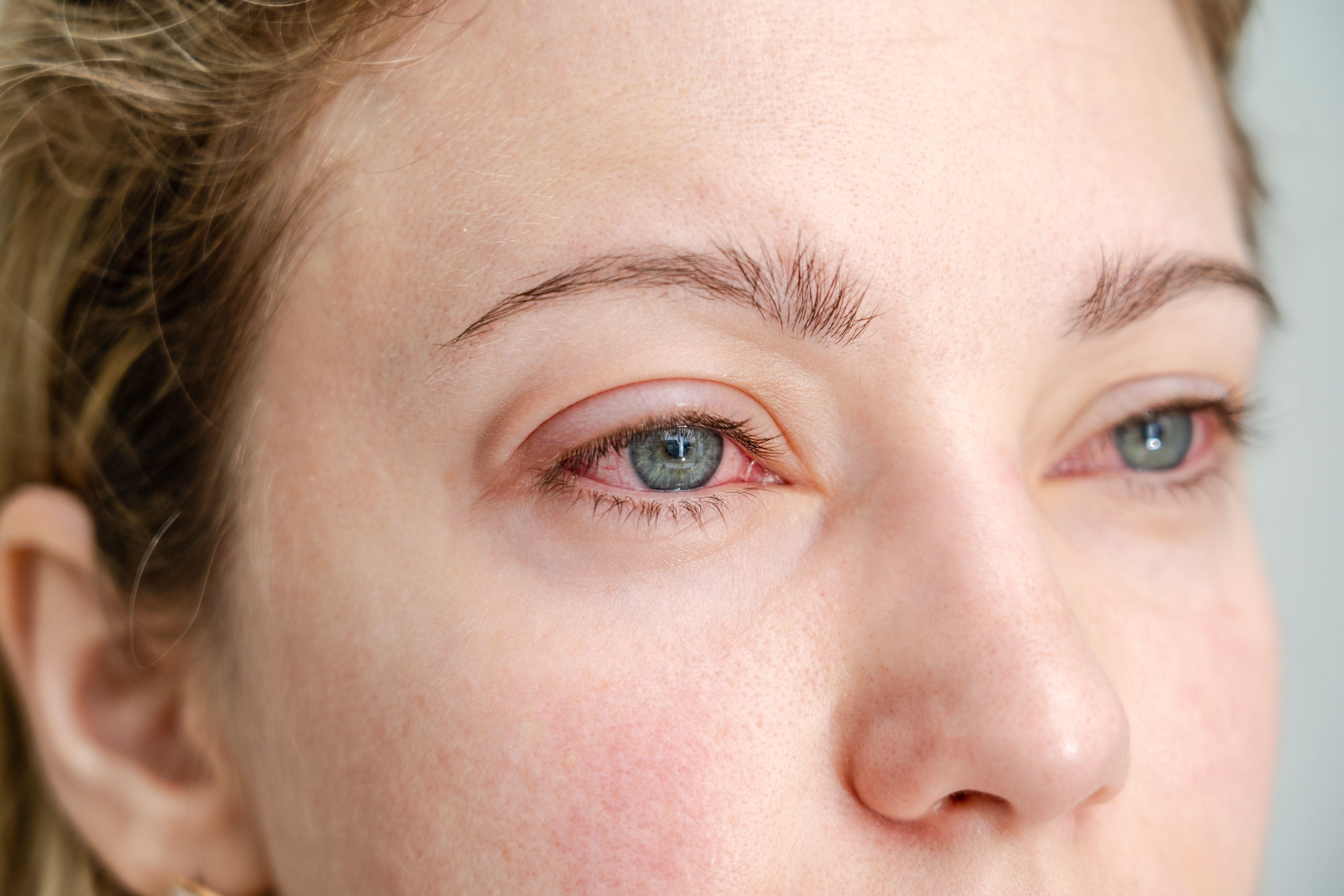
Red eyes are one of the most common reasons patients visit the eye doctor. While eye redness may seem minor, it can signal a range of issues - from temporary irritation to infections that require prompt treatment. Understanding what causes red eyes can help you recognize when at-home care is appropriate and when it’s time to seek professional eye care.
Common Causes of Red Eyes
Redness occurs when the small blood vessels on the surface of the eye become enlarged or irritated. The most frequent causes include eye infections, allergies, and eyelid inflammation/irritation. Each has distinct symptoms and treatment approaches.
Different Types of Eye Infections
Eye infections can affect different parts of the eye and may be caused by bacteria, viruses, or other organisms. These infections often require professional evaluation to ensure proper treatment.
Conjunctivitis (Pink Eye)
Conjunctivitis is one of the most well-known causes of red eyes. It can be:
· Bacterial, often producing thick yellow or green discharge
· Viral, commonly associated with colds and highly contagious
· Allergic, typically affecting both eyes and accompanied by itching
While some forms resolve on their own, bacterial conjunctivitis often requires prescription eye drops.
Keratitis
Keratitis is an infection of the cornea and can be serious if not treated promptly. It may cause pain, sensitivity to light, blurred vision, and intense redness. Contact lens wearers are at higher risk, especially if lenses are worn overnight or not cleaned properly.
Blepharoconjunctivitis
This condition involves both the eyelids and the surface of the eye. It often develops when bacteria on the eyelids spread to the eye, causing chronic redness, irritation, and crusting along the lashes.
Why Allergies Cause Red Eyes
Eye allergies occur when the immune system reacts to allergens such as pollen, dust, pet dander, or mold. When allergens come into contact with the eyes, the body releases histamines, which cause blood vessels to expand. This leads to redness, itching, watering, and swelling.
Unlike infections, allergic red eyes are not contagious and usually affect both eyes at the same time. However, rubbing itchy eyes can worsen inflammation and increase irritation. Prescription allergy eye drops or treatment plans tailored to your symptoms can provide long-term relief.
How Eyelid Irritation Affects Eye Health
Healthy eyelids play a critical role in keeping your eyes comfortable and properly lubricated. When eyelids are inflamed or dysfunctional, eye redness and dryness often follow.
Blepharitis
Blepharitis is a common condition characterized by inflammation along the edges of the eyelids. It may cause redness, burning, flaky skin, and a gritty sensation in the eyes. Blepharitis is often chronic and requires ongoing management rather than a one-time treatment.
Meibomian Gland Dysfunction (MGD)
The meibomian glands, located in the eyelids, produce oils that prevent tears from evaporating too quickly. When these glands become blocked or inflamed, tears become unstable, leading to dry eye symptoms and persistent redness. MGD is a leading cause of chronic eye irritation and often goes undiagnosed without a comprehensive eye exam.
When to See Your Eye Doctor
While mild redness may improve with rest or artificial tears, certain symptoms should never be ignored. Schedule an eye exam if you experience:
· Redness lasting more than a few days
· Eye pain or sensitivity to light
· Thick discharge or crusting
· Blurred or decreased vision
· Red eyes associated with contact lens wear
· Recurrent redness that keeps returning
Early diagnosis helps prevent complications and ensures the most effective treatment.
Clear Eyes Start with a Comprehensive Eye Exam
Red eyes are more than just a cosmetic concern - they are often a sign that your eyes need attention. Whether caused by infection, allergies, or eyelid inflammation, proper diagnosis is essential for lasting relief and healthy vision. Understanding the root cause of red eyes empowers you to seek care before symptoms worsen.
If you’re experiencing red, irritated, or uncomfortable eyes, Vision Source Magnolia is here to help. Visit our office in Magnolia, Texas, or call (346) 586-2020 today.



Contact Info
Hours of Operation
- Monday 9:00am - 5:00pm
- Tuesday 8:00am - 5:00pm
- Wednesday 9:00am - 6:00pm
- Thursday 9:00am - 6:00pm
- Friday 9:00am - 2:00pm
- Saturday Closed
- Sunday Closed
© 2026 Vision Source Magnolia. All rights Reserved. Accessibility Statement - Privacy Policy - Sitemap
Powered by: