What to Expect at Your Annual Magnolia Diabetic Eye Exam
September 29, 2026
Diabetes can affect many areas of your health, including your eyes. Changes inside the eye may develop before you notice blurry vision or other symptoms, which is why regular diabetic eye exams are an important part of protecting your sight. At Vision Source Magnolia, we provide diabetic eye exams to help patients in Magnolia monitor their eye health and identify signs of diabetes-related complications as early as possible.
The Importance of Diabetic Eye Exams
High blood sugar can damage the small blood vessels that supply the retina, the light-sensitive tissue at the back of the eye. Over time, this damage can lead to diabetic retinopathy, which may affect vision and potentially cause permanent vision loss if it progresses.
Diabetic eye disease can develop without obvious symptoms in its early stages. An annual diabetic eye exam allows us to examine the health of your retina and monitor for changes that may require closer observation, improved diabetes management, or additional treatment.
What Happens During a Diabetic Eye Exam?
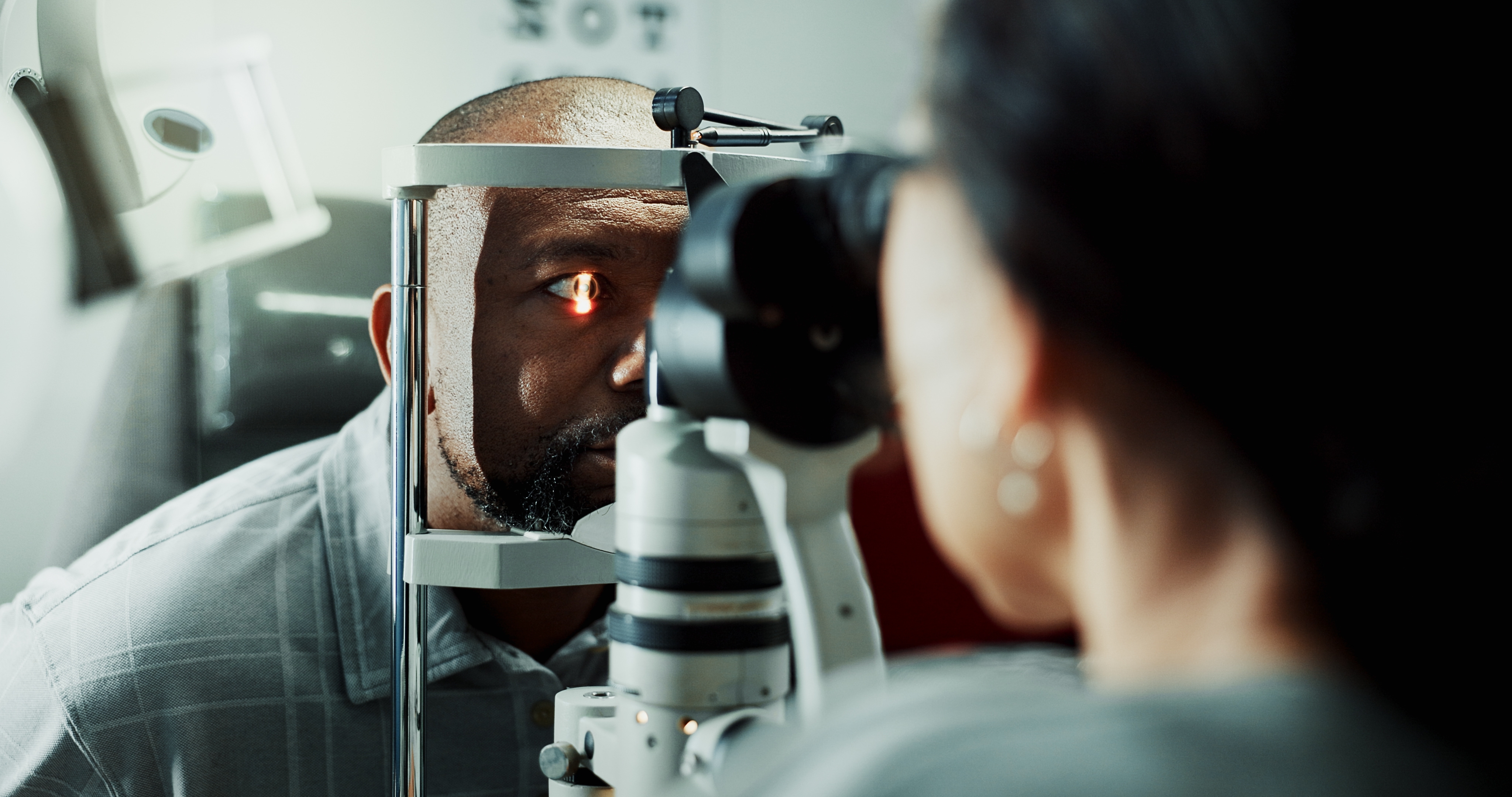
Your Magnolia diabetic eye exam is designed to evaluate both your vision and the health of the structures inside your eyes. Depending on your individual needs, your visit may include:
• A review of your vision and relevant health history
• Visual acuity testing to measure how clearly you see
• Eye drops to dilate your pupils for a clearer view inside the eye
• Retinal imaging to document and evaluate the back of your eyes
• Examination of the retina for leaking blood vessels or other abnormalities
• Discussion of any findings and recommended follow-up care
The examination is non-invasive. Dilating drops can temporarily make your vision blurry and increase sensitivity to light, so you may want to bring sunglasses for your trip home.
Retinal Imaging Helps Us Look for Early Changes
Retinal imaging provides detailed pictures of the back of the eye, allowing us to assess the retina and look for changes associated with diabetes. These images can also create a useful record of your eye health so we can compare findings from one examination to the next.
If we detect signs of diabetic retinopathy, we can discuss the next steps based on the severity of the changes. Early detection gives patients and their healthcare providers more information to help manage diabetes and protect long-term vision.
Do Not Wait for Vision Changes
Blurred or fluctuating vision can occur with diabetes, but diabetic eye disease does not always cause noticeable symptoms at first. Waiting until your eyesight changes can allow a problem to progress unnoticed.
Keeping up with your recommended diabetic eye exams in Magnolia gives us the opportunity to monitor your eyes even when your vision seems completely normal. Patients should also contact us sooner if they experience sudden vision changes, new floaters, dark areas in their vision, or other concerning symptoms.
Schedule your annual diabetic eye exam with Vision Source Magnolia to stay proactive about your eye health and vision. Contact our office in Magnolia, TX, by calling (346) 586-2020 to book an appointment today.



Contact Info
Hours of Operation
- Monday 9:00am - 5:00pm
- Tuesday 8:00am - 5:00pm
- Wednesday 9:00am - 6:00pm
- Thursday 9:00am - 6:00pm
- Friday 9:00am - 2:00pm
- Saturday Closed
- Sunday Closed
© 2026 Vision Source Magnolia. All rights Reserved. Accessibility Statement - Privacy Policy - Sitemap
Powered by: